
New vs. Resale: 2026
New vs. Resale: 2026
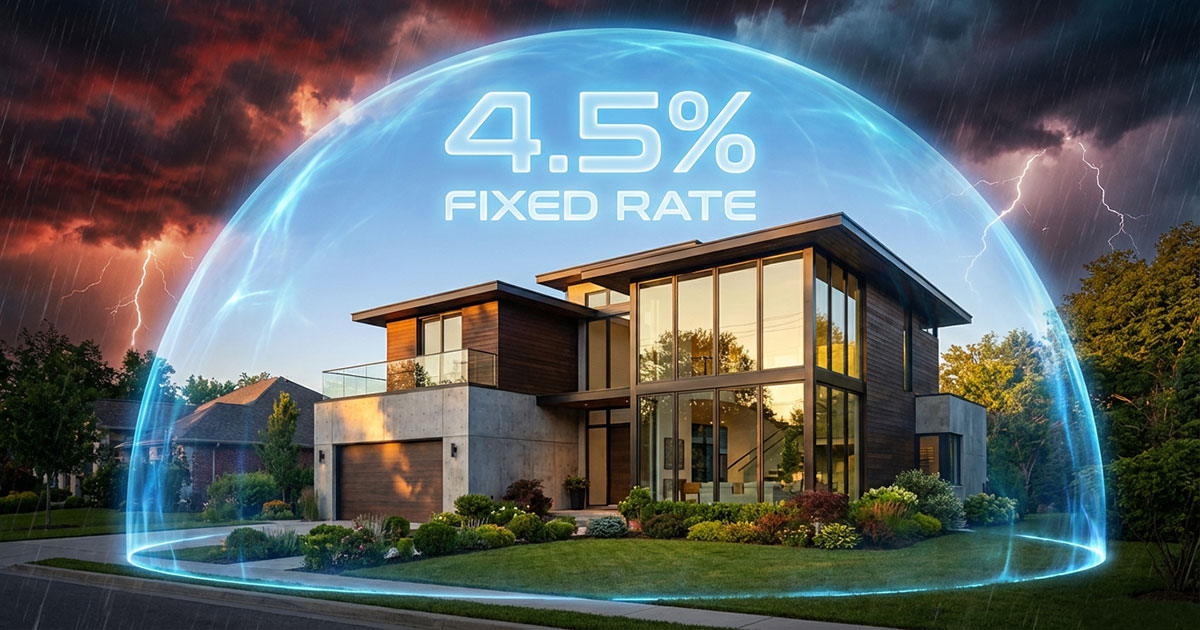
The 2026 American real estate market presents a fascinating standoff between aggressive new home builders and traditional resale listings. With builders deploying significant financial incentives and mortgage rate buydowns to offset high interest rates, buyers face a critical choice. This article explores how modern energy efficiency and financial creativity are currently tilting the scales toward new construction over aging inventory.
Market Dynamics
In February 2026, the United States housing market has entered a transformative phase where the dominance of the existing home inventory is being challenged by a highly motivated new construction sector. Recent data indicates that approximately sixty-seven percent of home builders are currently offering some form of aggressive financial incentive to lure prospective buyers away from the resale market. Furthermore, about forty-one percent of these builders have actively reduced their base prices to maintain sales momentum in an environment where interest rates remain a primary concern for the average American family. This shift represents a strategic pivot by construction firms to capitalize on the persistent shortage of existing homes for sale, as many current homeowners remain locked in to low-interest mortgages from previous years and are hesitant to list their properties. Consequently, the new construction segment has become the primary source of available inventory in many metropolitan areas, forcing builders to compete not just with each other, but with the very idea of buying a pre-owned home. This competitive atmosphere has created a unique window of opportunity for buyers who are willing to look beyond established neighborhoods in favor of freshly developed communities that offer both financial flexibility and modern structural integrity.
Financial Engineering
One of the most potent weapons in a builder’s arsenal this season is the mortgage rate buydown, a financial maneuver that significantly lowers the buyer’s monthly payment during the initial years of homeownership. In this scenario, the builder pays an upfront fee to the lender to buy down the interest rate, often resulting in a starting rate as low as four and a half percent for the first two years of the loan. When compared to the standard market rates which have hovered around six percent, the savings are substantial, often amounting to several hundred dollars per month that can be redirected toward furniture or personal savings. This tactic, often referred to as a 2-1 or 3-2-1 buydown, provides a critical buffer for families who expect their income to grow or who hope to refinance when broader market rates eventually stabilize. Unlike the resale market, where individual sellers are often unwilling or unable to provide such complex financial concessions, corporate builders have the capital and institutional relationships with lenders to make these deals happen seamlessly. For a buyer in early 2026, this essentially means that a brand-new home with a higher sticker price might actually have a lower monthly carrying cost than a cheaper existing home burdened with a standard mortgage rate.
Modern Infrastructure
Beyond the immediate financial benefits of the purchase contract, the long-term value proposition of new construction in 2026 is heavily anchored in advanced energy efficiency and integrated technology. Modern builders are increasingly moving toward zero-energy-ready standards, meaning the homes are designed with such high levels of insulation and high-performance windows that they could potentially offset all their energy consumption with a small solar array. Furthermore, the inclusion of dedicated electric vehicle charging stations in garages has moved from a luxury upgrade to a standard feature, reflecting the rapid electrification of the American automotive market. These features are not merely about environmental stewardship; they are about drastic reductions in monthly overhead. A buyer moving into a 2026-spec home can expect utility bills that are a fraction of what they would pay in a house built in the nineties or early two-thousands. The integration of smart home technology, air filtration systems that meet modern health standards, and fire-resistant building materials adds layers of security and convenience that are difficult and expensive to retrofit into an older structure.
The Resale Reality
In stark contrast to the turnkey nature of new builds, the existing home market in early 2026 often presents buyers with a renovation tax that is frequently underestimated during the initial search. While older homes may possess a certain architectural charm or be situated in more central locations, they frequently come with aging mechanical systems, outdated electrical panels, and insulation that fails to meet modern code. The cost of replacing a roof, an HVAC system, or a water heater has risen sharply over the last few years due to labor shortages and material inflation, meaning a well-priced resale home can quickly become a financial burden. Furthermore, older homes often suffer from poor thermal envelopes, leading to drafty rooms and exorbitant heating and cooling costs during the extreme weather events that have become more common across the country. Buyers often find themselves trapped in a cycle of maintenance where they are spending their weekends and disposable income on repairs rather than enjoying their new environment. In an era where time is a precious commodity, the as-is nature of many resale listings is losing its appeal compared to the comprehensive warranties typically provided by professional builders.
Strategic Decisions
Choosing between a new build and a resale home ultimately requires a careful balancing of lifestyle priorities and financial long-term planning. The resale market still holds a significant advantage in terms of location density, offering homes in mature neighborhoods with established trees, local shops, and shorter commutes to urban centers. For some buyers, the soul of an older house and the stability of a settled community outweigh the clinical perfection of a new development. However, the 2026 market dynamics suggest that the financial gap is widening in favor of construction. When you calculate the total cost of ownership—which includes the mortgage payment, property taxes, insurance, utilities, and maintenance—the incentives provided by builders often make the new home the more rational choice for the budget-conscious consumer. Buyers are encouraged to run a side-by-side analysis that accounts for at least five years of ownership, factoring in the potential for lower insurance premiums on new homes and the absence of major capital expenditures. The decision-making process has evolved from a simple comparison of square footage to a sophisticated evaluation of financial engineering and technological future-proofing.
Final Verdict
In conclusion, the battle between new construction and existing homes in the 2026 real estate landscape is being won through a combination of builder desperation and technological superiority. While the emotional pull of a historic home remains strong for many, the pragmatic reality of the current economy favors the buyer who chooses the path of least resistance and highest efficiency. With sixty-seven percent of builders offering incentives like the four and a half percent mortgage buydown, the financial barrier to entry for a new home has rarely been more inviting relative to the broader market. Prospective owners must weigh the immediate gratification of a lower monthly payment and the long-term peace of mind provided by modern warranties against the traditional benefits of established locations. Ultimately, the 2026 market rewards the informed buyer who looks past the aesthetic and focuses on the underlying math of homeownership. As inventory levels continue to fluctuate, those who leverage these builder concessions and energy-efficient standards will likely find themselves in a far stronger financial position as the decade progresses.
JOEY REAL ESTATE NANCI
HomeSmart Realty West
41823 Enterprise Circle N. Suite #130 Temecula, CA 92590
Email: jnanci923@gmail.com
Phone: (714) 271-2170
I am Joey Nanci ‘Joey Real Estate’…I am a Licensed REALTOR with the HomeSmart Realty West in Temecula California… I have built a reputation through hard work, the ability to think outside of the box, and an unwaivering dedication to my clients. I represent both Buyers and Sellers in San Diego County, Riverside County and Orange County. I am focused on delivering at the highest level possible.